
In resort swimwear, sheer layering is often the detail that turns a simple silhouette into a styled vacation piece. It brings lightness, movement, and visual depth without relying on heavy decoration.
This is why sheer fabrics are widely used in mesh overlays, swim skirts, cover-up dresses, and tonal panels. They help swimwear move beyond the poolside and become part of a complete resort look.
However, sheer layered designs need more consideration when putting them into production.
Quick Overview
| Sheer Layering Type | Application | Best Used For |
|---|---|---|
| Mesh overlay | Bikini tops, one-pieces, waist panels | Modern resort styles |
| Sheer skirt layer | Swim skirts, bikini bottoms, sarong-style pieces | Feminine resort collections |
| Sheer cover-up dress | Beach dresses, tunics, kaftans | Beach-to-lunch styling |
| Sheer sleeve or shoulder detail | One-pieces, resort swim tops | Light coverage with a softer look |
| Tonal sheer panels | Side panels, neckline, waistline | Subtle shaping and visual depth |
| Printed sheer layer | Overlay on solid swimwear or cover-ups | Soft print effects |
What Is Sheer Layering in Swimwear?
Sheer layering refers to the use of semi-transparent fabrics over, beside, or around swimwear pieces. These fabrics may include stretch mesh, soft tulle, chiffon, or other fine open-structure materials depending on the product type.
In most swimwear designs, brands use sheer layering as a visual or styling layer rather than the main support fabric. Instead, it works as a visual or styling layer. It can soften a silhouette, create contrast, add movement, or provide light coverage without making the garment feel heavy.
Common Ways to Use Sheer Layering
1. Sheer Skirt Layers
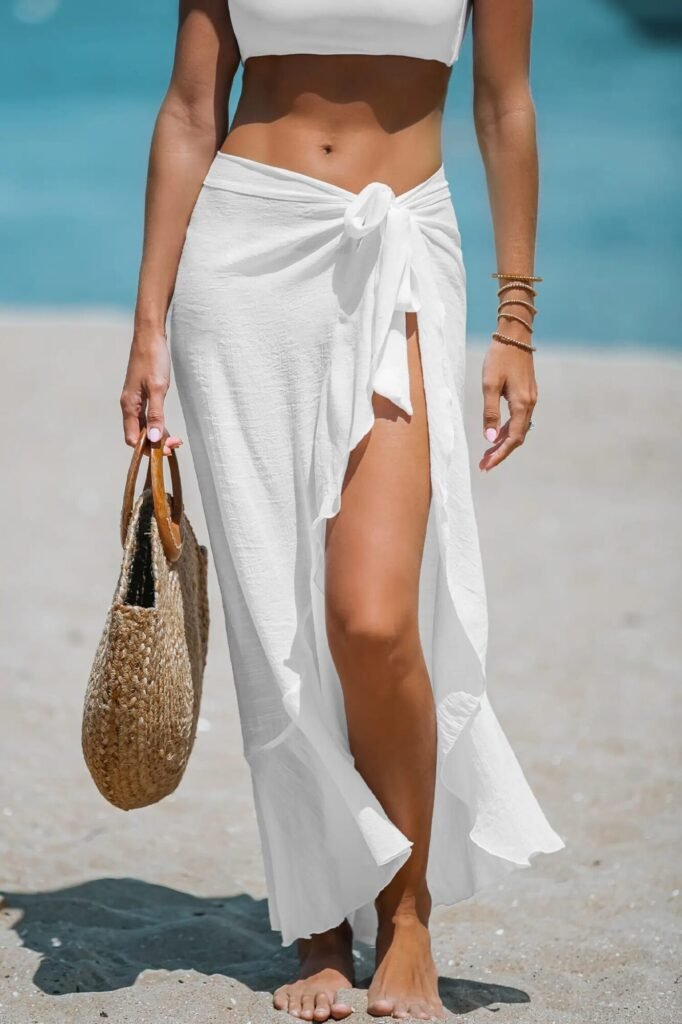
A sheer skirt layer is one of the most practical applications in resort swimwear. Designers can attach this layer to a bikini bottom, shape it into a swim skirt, or develop it as a separate sarong-style piece.
This detail works especially well for collections that want a more feminine or vacation-focused look. The layer gives light coverage around the hips and thighs while still showing the swimwear underneath.
From a production perspective, the key is controlling length, weight, and movement. If the sheer fabric is too stiff, the skirt may flare awkwardly. If it is too soft, it may cling to the body when wet.
2. Mesh Overlays on One-Pieces
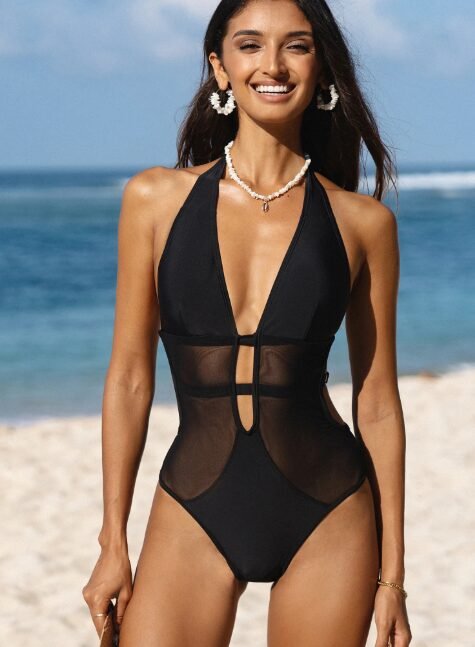
Mesh overlays can make a one-piece swimsuit look more sculpted and modern. They are often used around the waist, neckline, shoulder, or side body area to create visual contrast.
This approach is useful when the brand wants a more fashion-forward design without making the swimsuit too revealing. A tonal mesh layer can create subtle transparency, while contrast mesh can make the design feel bolder.
The challenge is stretch compatibility. The mesh layer and main swim fabric must recover at a similar rate. If one fabric stretches more than the other, the garment may twist, wrinkle, or lose its shape after wear.
3. Sheer Cover-Up Dresses
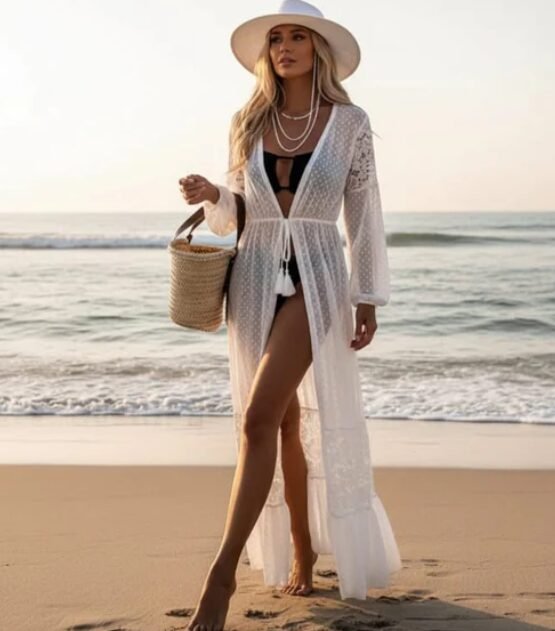
Sheer cover-up dresses are closely connected to resort swimwear because they extend the styling value of the collection. They can be designed as mini dresses, longline dresses, tunics, kaftans, or relaxed shirt-style cover-ups.
These pieces are usually less technical than true swimwear, but they still need careful fabric selection. The fabric should be breathable, soft against the skin, easy to pack, and suitable for warm climates.这些
For resort collections, sheer cover-ups work best when they coordinate with the swimwear underneath. Matching color stories, repeated trims, or similar design lines can make the full collection feel more complete.
Fabric Choices for Sheer Layering
Stretch Mesh
Stretch mesh is one of the most common options for swimwear-related sheer layering. It works well for overlays, panels, and fitted details because it can move with the body.
For swimwear, mesh should have good recovery and a soft hand feel. A rough mesh may look acceptable in a flat sample but feel uncomfortable during wear.
Power Mesh
Power mesh is stronger and more supportive than regular soft mesh. It can be useful for shaping areas, inner support panels, or designs that need more structure.
However, power mesh may feel too firm for delicate resort looks if used incorrectly. It works best when the design needs both light transparency and functional support.
Soft Tulle
Soft tulle can create a romantic and airy look, especially for skirt layers or decorative overlays. It is better suited to fashion-led resort pieces than highly functional swimwear.
The limitation is durability. Tulle can snag more easily than stretch mesh, and it may not always perform well in repeated wear or rough beach environments.
Chiffon and Georgette
Chiffon and georgette are better for cover-ups, sarongs, and resort dresses than for fitted swimwear. They offer movement, lightness, and a softer vacation look.
These fabrics usually do not have the same stretch and recovery as swim fabrics.
Crochet and Open-Knit Fabrics
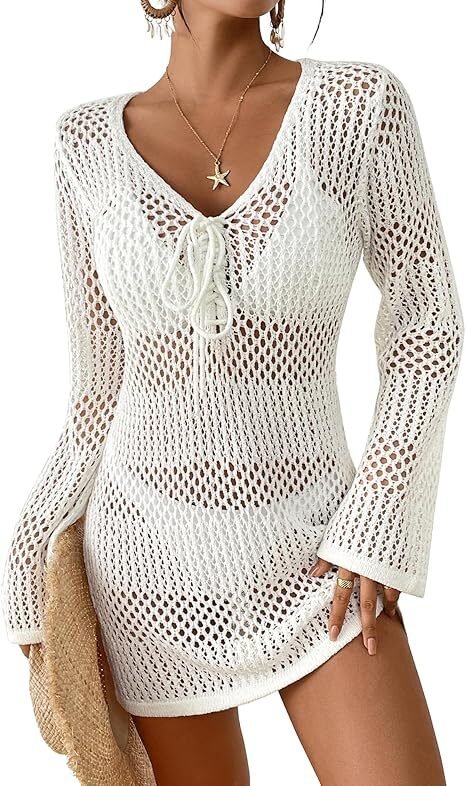
Crochet and open-knit fabrics can create a similar sheer effect, although they are structurally different from mesh or chiffon. They are often used for beach dresses, pants, skirts, and cover-up tops.
These materials can make a resort collection feel handcrafted and textured.
Key Production Considerations
1. Coverage Must Be Planned Early
Sheer layering can easily become too revealing if coverage is not planned from the beginning. Designers should decide which areas are meant to be visible, which areas need lining, and how the garment will look on different body types.
2. Stretch Compatibility Matters
When sheer fabrics are combined with swimwear fabrics, both layers need to move together. If the sheer layer has poor stretch recovery, it may sag after wear. If it is too tight, it may restrict movement or create pulling lines.
Before bulk production, the sample should be checked on a body form or fit model, not only on a flat table.
3. Edge Finishing
Sheer fabrics make stitching and finishing more visible. Raw edges, heavy seams, or uneven binding can lower the perceived quality of the garment.
Common finishing options include narrow hemming, clean binding, elastic edge finishing, babylock edges, or folded seams depending on the design.
4. Color Matching
A sheer fabric rarely looks exactly like the main swim fabric, even when the color code is the same. Transparency, fabric structure, and lining can all change the final appearance.
Color should be checked as a full garment, not only as fabric swatches.
5. Wet and Dry Appearance Can Be Different
Some sheer fabrics become more transparent when wet. Others may cling to the skin or lose volume after exposure to water.
This is a key difference between resort styling pieces and actual swimwear pieces. If the sheer layer is attached to a swimsuit, wet testing is necessary.
6. Sheer Fabrics Can Be Easy to Snag
Lightweight mesh, tulle, and open-knit fabrics can catch on jewelry, nails, beach chairs, or rough surfaces. This does not mean they should be avoided, but the fabric quality and construction need to match the intended product positioning.
Design Tips for Better Sheer Layering
Keep the Base Silhouette Clean
Sheer layering works best when the base swimwear shape is clean. If the swimsuit already has too many cutouts, straps, prints, or hardware details, adding sheer layers can make the design feel busy.
A simple triangle bikini, bandeau set, high-waisted bottom, or one-piece can often support sheer layering better than an already complex style.
Consider the Full Outfit
Sheer layering should not be developed as an isolated detail. It should connect with the full resort outfit.
A bikini with a matching sheer skirt, a one-piece with a mesh cover-up dress, or a swimsuit with a coordinated sarong gives customers more styling options. It also helps the brand create stronger product stories and higher-value sets.
Avoid Overly Fragile Details
Small straps, delicate mesh, heavy embellishments, and thin seams can create production risks if they are not tested properly. A resort piece should look soft, but it still needs to survive packing, movement, washing, and repeated wear.
FAQ
Is sheer layering practical for swimwear?
Yes, but it depends on how it is used. Stretch mesh panels, tonal overlays, and attached skirt layers can work well in swimwear if the fabric has enough recovery and comfort.
What fabric is best for sheer swimwear details?
Stretch mesh is usually the most practical choice for fitted swimwear details.
Is sheer layering suitable for all markets?
Not always. Some markets prefer more coverage, while others accept bolder resort styling. Brands should adjust transparency level, lining placement, and silhouette based on their target customer and sales region.
Conclusion结论
Sheer layering should feel light, intentional, and wearable. When the fabric, fit, and construction are well balanced, it can turn a simple swim style into a more refined resort piece.
Planning a resort swimwear collection with sheer details? Joy Sportswear can support you from fabric selection and sampling to final production.