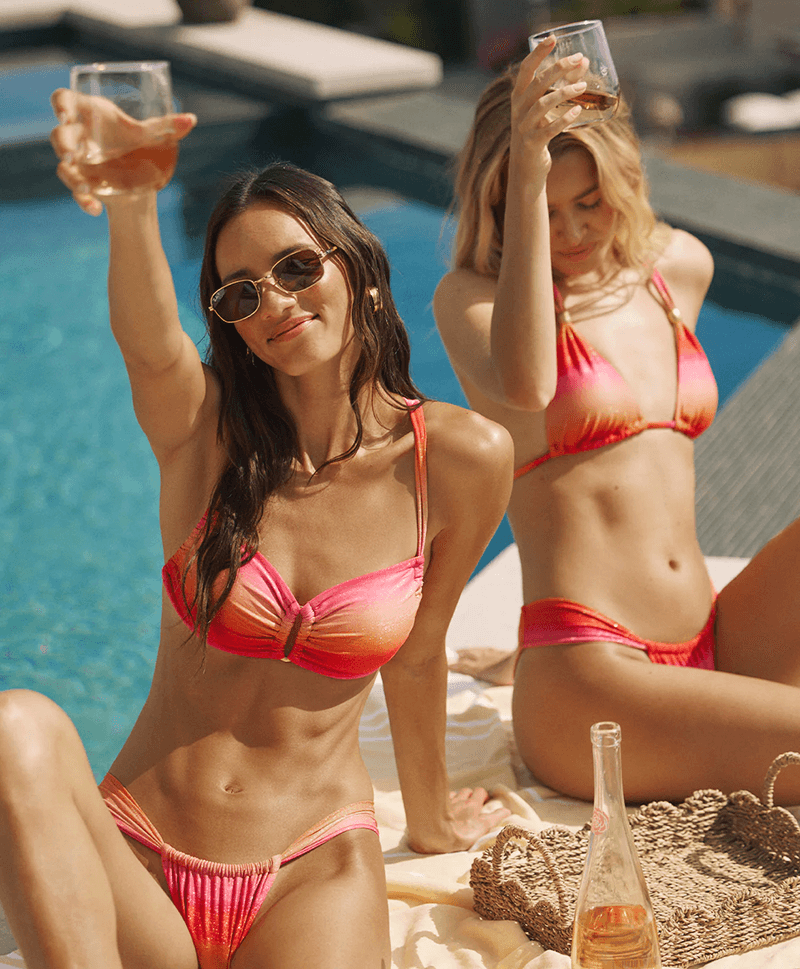
Textured swimwear is becoming a must-have for brands looking to offer more upscale and unique collections. Unlike smooth, basic fabrics, textured swimwear adds a fun visual depth and a trendy vibe without needing prints or fancy details, which really boosts the brand’s appeal.
However, developing textured styles is not as simple as it seems; it requires meticulous control over the performance of the fabric, its fit, the compatibility of the lining, the quality of the sewing, and the details of production.
As a experienced manufacturer , we excel at using textured fabrics in swimwear. In this guide, we will detail the key techniques for creating a successful textured swimwear collection.
1. Selecting the Right Base
Not all textures are created equal. The choice of weave or knit pattern significantly impacts the garment’s compression, drape, and longevity.
The Rise of Ribbed Fabrics
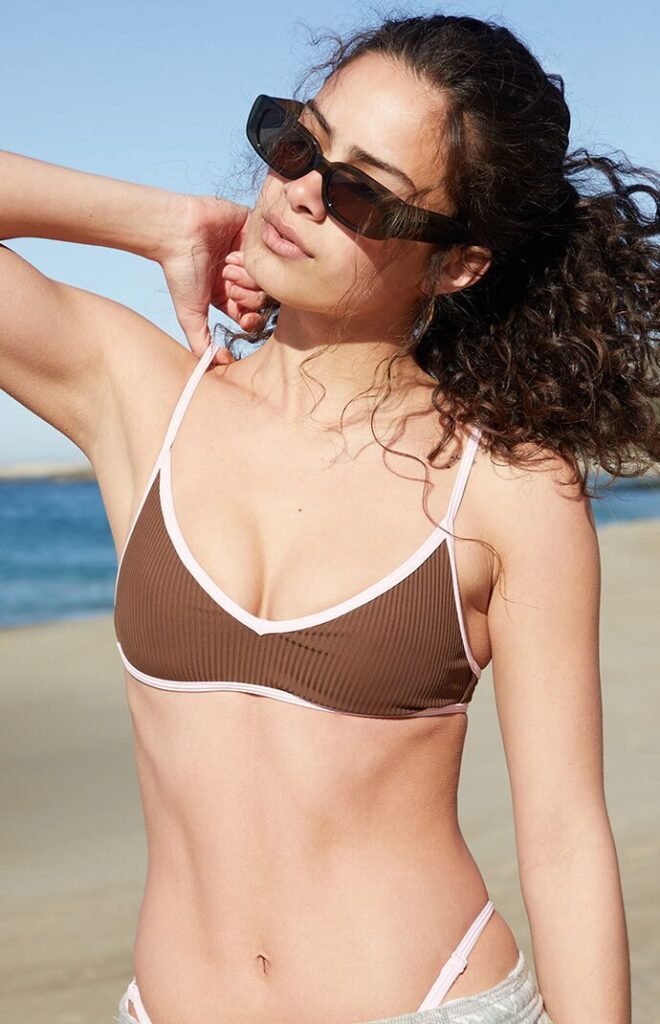
Ribbed textures are perhaps the most versatile. They offer natural vertical lines that elongate the silhouette and provide excellent recovery. When sourcing, look for a high elastane content (typically 18-22%) to ensure the “rib” doesn’t flatten out when stretched over the body.
Jacquard and Custom Patterns
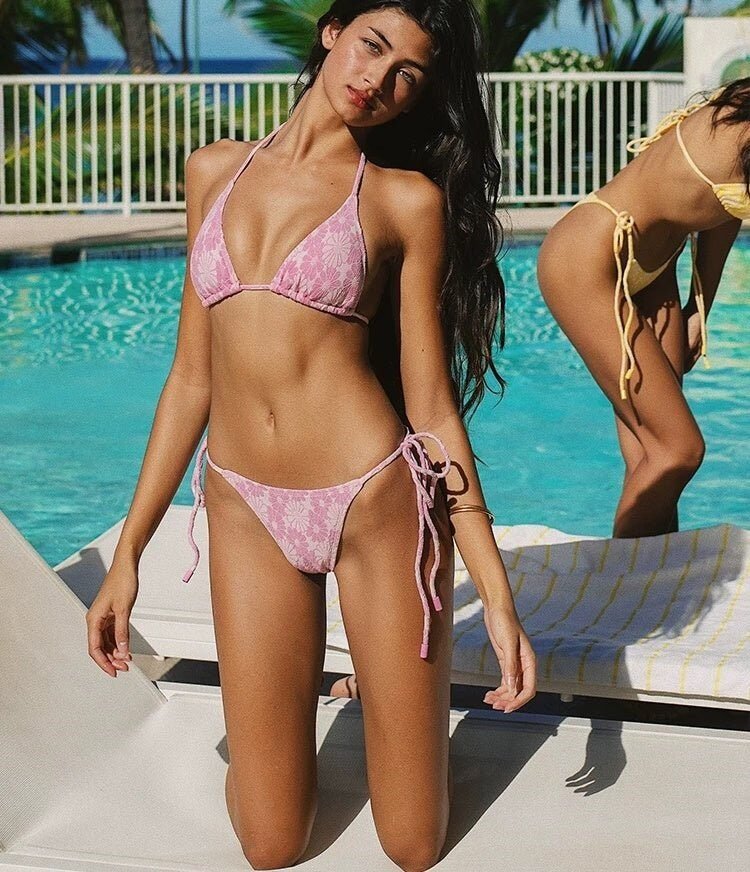
Jacquard allows for intricate, 3D patterns—such as florals, animal prints, or geometric shapes—to be knitted directly into the fabric. For premium brands, this offers an opportunity for “quiet branding.” A custom jacquard with a subtle logo or a unique signature pattern provides a level of exclusivity that printed fabrics simply cannot match.
Seersucker and Smocking
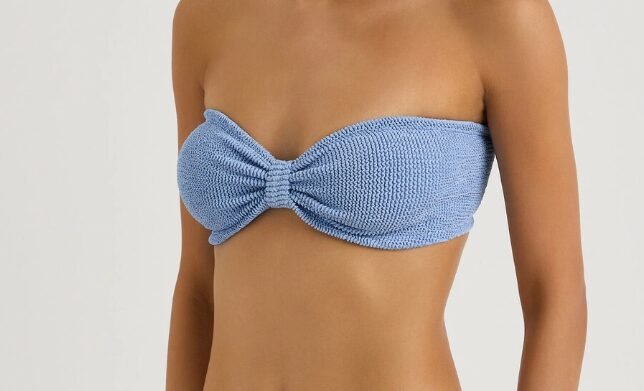
For a nostalgic or “cottagecore” aesthetic, seersucker and smocked fabrics are ideal. These fabrics provide a high degree of stretch and are incredibly forgiving in terms of fit, making them a favorite for inclusive sizing collections. However, they require careful pattern adjustments due to their high “give.”
2. Technical Challenges in Construction
Manufacturing textured swimwear is inherently more complex than working with standard matte Nylon. The uneven surface of the fabric presents several hurdles in the cutting and sewing stages.
Precision Cutting
Textured fabrics, especially ribs and stripes, require meticulous alignment. If the texture is “off-grain” during the cutting process, the final garment will look asymmetrical or distorted. We utilize precision-guided cutting technology to ensure that every panel aligns perfectly with the fabric’s structural lines.
Managing Seam Bulk
Textured materials are often thicker (higher GSM) than smooth fabrics. Traditional overlock seams can become bulky and uncomfortable, particularly at the “cross-seams” (where multiple layers meet). To maintain a premium finish, we often recommend:
- Flatlock stitching: To minimize friction against the skin.
- Zig-zag bonding: For a cleaner, more contemporary edge.
- Clean-finish construction: Hiding the seams between the shell and the lining to ensure the texture remains the focal point.
3. The Relationship Between Texture and Fit
One of the most common mistakes in developing textured collections is using the same patterns designed for smooth fabrics. Texture changes the “modulus” (the force required to stretch the fabric).
Pattern Grading Adjustments
A ribbed fabric usually has more horizontal stretch but less vertical recovery than a standard tricot. If you use a standard bikini pattern for a heavy textured piqué, the suit may “sag” when wet. Our R&D team recommends performing “wet-stretch tests” during the sampling phase to calibrate the pattern grading specifically for the textile’s unique behavior.
Lining Selection
The lining is the unsung hero of textured swimwear. A high-quality, lightweight power-mesh or a fine-gauge buttery lining is essential. It provides the necessary structural support that the textured outer shell might lack, ensuring the suit holds its shape after repeated use in chlorine and saltwater.
4. Quality Control and Durability Factors
Premium collections are judged by how they look after ten washes, not just how they look on the rack. Textured fabrics are prone to different types of wear than smooth fabrics.
- Pilling Resistance: High-friction areas (like the seat of the bikini) can pill if the yarn quality is sub-par.
- Snagging: Loose weaves or 3D textures can snag on rough surfaces (like pool edges). During the development phase, we conduct “velcro tests” to ensure the fabric’s loops are tight enough to withstand real-world wear.
- Color Fastness: Deep textures have more surface area, which can lead to uneven fading if the dyeing process isn’t handled correctly. We ensure all textured lots undergo rigorous wash-and-light fastness testing.
5. Sustainability in Textured Textiles
Modern consumers are increasingly demanding eco-conscious materials. The good news is that the industry has made great strides in “Green Textures.” We now offer a wide range of textured fabrics made from Econyl® or Repreve® (recycled ocean plastics and post-consumer PET bottles). These recycled yarns take to texturing exceptionally well, retaining the same vibrancy and elasticity as virgin fibers.
Frequently Asked Questions
Does textured swimwear take longer to dry?
Generally, yes. Because textured fabrics (like piqué or seersucker) often have a higher GSM (grams per square meter) and more surface area, they retain water longer than thin, flat fabrics.
Are textured fabrics suitable for athletic/performance swimwear?
While textures are primarily used for fashion/lifestyle swimwear, certain “micro-textures” can actually improve hydrodynamics. However, for high-performance racing, we generally recommend smooth, high-compression fabrics.
Can we print on textured fabrics?
Yes, but with caution. Sublimation printing on ribs or waffles can result in “grinning”—where the unprinted white base shows through when the fabric is stretched.
Conclusion
Creating a fabulous textured swimwear collection is all about blending creativity with smart engineering! By getting to know the fabric’s unique qualities and tweaking your construction methods, you can whip up pieces that look amazing and stand the test of time.
Here at our facility, we’re all about supporting brands through these technical challenges. Whether it’s custom jacquard designs or perfecting fit samples, we’ve got the manufacturing support your premium collection