
Whether you are training for a triathlon or just looking for a suit that stays put during a beach day, “support” is the invisible architecture that defines the success of swimwear. In 2026, parents and athletes alike are no longer settling for flimsy spandex; they are looking for garments that engineer confidence through science.
But how exactly does a thin layer of fabric hold everything in place while being subjected to water, salt, and movement? It comes down to a blend of textile physics, structural engineering, and ergonomic design.
1. The Physics of Fabric: Modulus and Recovery
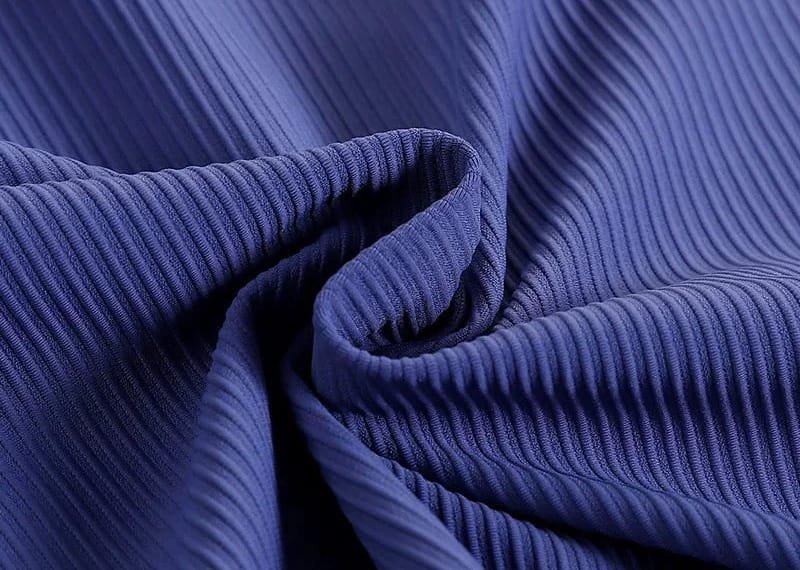
At the heart of any supportive swimsuit is the material science. Unlike regular clothing, swimwear must perform under tension while wet—a state where many fabrics lose their integrity.
The Role of Elastane (Spandex/Lycra)
Modern support is driven by the ratio of Nylon or Polyester to Elastane. Most high-support suits utilize a blend of $15-25\%$ elastane. However, in 2026, the industry has shifted toward high-modulus fibers like CREORA® Highclo™.
- Modulus: This refers to the amount of force required to stretch the fabric. A high-modulus fabric offers more “push-back,” providing the compression necessary for support.
- Recovery: This is the fabric’s ability to return to its original shape. Poor recovery leads to the dreaded “saggy suit” syndrome. High-quality support ensures the fabric “snaps back” even after hundreds of hours in chlorine.
Compression as Support
For athletes, support is synonymous with compression. By applying graduated pressure to muscle groups, a swimsuit reduces muscle vibration and improves circulation. From a fluid dynamics perspective, compression reduces the Form Drag by streamlining the body’s profile:
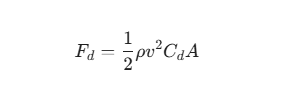
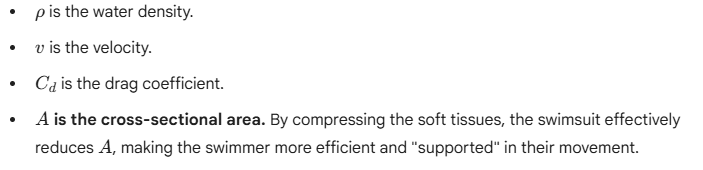
Where:
2. Power Mesh: The Secret Sculptor

If you flip a premium swimsuit inside out, you will often find a second layer of “honeycomb” fabric. This is Power Mesh (or Power-net), and it is the workhorse of 2026 swimwear design.
Power mesh provides 360-degree support without the bulk of traditional shapewear. Its hexagonal knit structure allows it to stretch in all four directions while maintaining an incredible “return” force.
- Tummy Control: In one-piece suits, power mesh panels act as a secondary “wall” that smooths and supports the core.
- Breathability: Because it is a mesh, it allows water to flow through and away from the skin, preventing the heavy, water-logged feeling that can lead to chafing.
3. The Architecture of the Bust: Cups, Shelves, and Wire
Bust support is the most requested feature in the market. Designers achieve this through three primary methods:
The Shelf Bra
Ideal for low-to-medium impact, the shelf bra uses a built-in elastic band that sits under the bust. It provides support by pulling the fabric close to the ribcage, creating a “cradle” effect.
Underwire Construction
For maximum lift and separation, underwires remain the gold standard. However, the 2026 innovation lies in flex-wires—wires made from coated, lightweight alloys that move with the body rather than digging in.
Molded vs. Removable Cups
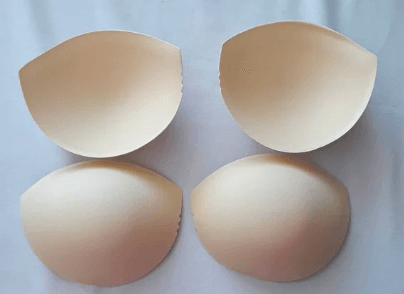
- Molded Cups: These provide a permanent shape and are often made of water-resistant foam. They offer “structural” support by giving the bust a defined silhouette even when the suit is wet.
- Removable Cups: These offer versatility but less structural integrity. They are primarily for “modesty” rather than heavy-duty support.
4. Straps and Back Design: The Distribution of Weight
Support isn’t just about the front; it’s about how that weight is distributed across the shoulders and back.
| Strap Style | Support Level | Best For |
| Thin/Spaghetti | Low | Sunbathing, aesthetic looks. |
| Racerback | High | Lap swimming, high-intensity sports. |
| Cross-back | Medium-High | Distributing weight away from the neck. |
| Halter | Adjustable | Customizable lift, though can strain the neck. |
The Physics of Wide Straps: A wider strap increases the surface area over which the weight of the suit and the wearer is distributed. This reduces the pressure (P =F/A) on the trapezius muscles, preventing the red marks and shoulder fatigue common in poorly supported suits.
5. Seams and Stitching: The “Bones” of the Suit
A swimsuit is only as strong as its weakest seam. To provide support, a suit needs “reinforcement” at high-stress points.

- Flatlock Stitching: This creates a seam that is flat on both sides. It is exceptionally strong under tension and prevents the fabric from “rolling” or shifting during activity.
- Zig-Zag Stitching: Often found on leg openings and necklines, this stitch allows the elastic to stretch to its maximum capacity without the thread snapping.
- Boning: Some “fashion-forward” supportive suits incorporate plastic side-boning. This prevents the sides of the bikini or tankini from collapsing, ensuring the suit stays vertical and “tall” on the torso.
6. Support for Every Body: 2026 Trends
In 2026, the industry has finally moved past “one size fits all.” Support is now specialized:
- Athletic Support: Focuses on compression and minimizing drag.
- Curvy/Full-Bust Support: Focuses on underwires, wide straps, and 360-degree power mesh.
- Maternity Support: Focuses on “stretch-and-return” panels that support the belly without compression.
7. How to Maintain Your Suit’s Support
The biggest enemy of support is heat and chlorine. These elements break down the elastane fibers, causing them to “snap” (which looks like tiny white hairs poking through the fabric).
The “Support Longevity” Routine:
- Rinse Immediately: Fresh water removes chlorine/salt that eats away at the elastic.
- Avoid the Dryer: High heat is the fastest way to kill a swimsuit’s support. Always air-dry in the shade.
- Flat Dry: Hanging a wet, heavy suit can stretch the straps out permanently.
Conclusion
A supportive swimsuit is an investment in your experience. When a garment is engineered correctly—using high-modulus fabrics, power mesh linings, and ergonomic strap placement—it allows the wearer to focus on the water, not their wardrobe.
In the 2026 market, “Support is the New Standard.” Whether you are a brand owner or a consumer, understanding the invisible architecture of a suit is the key to finding a product that truly performs.