
If you’ve ever pulled a favorite swimsuit out of your gym bag only to find it thin, brittle, or completely lacking its original “snap,” you’ve experienced the heartbreak of fabric degradation. Most high-stretch garments rely on Elastane (Spandex), which is comfortable but notoriously sensitive to chemicals and heat.
Enter PBT fabric.
Short for Polybutylene Terephthalate, PBT is the “quiet overachiever” of the textile world. It is the gold standard for competitive athletes, frequent flyers, and anyone who needs their clothes to survive more than a single season of heavy use. In this guide, we’ll dive deep into what PBT is, why it’s changing the swimwear industry.
What Exactly Is PBT Fabric?
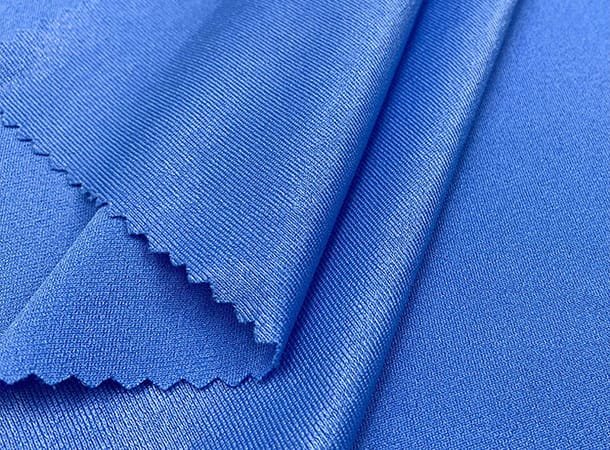
PBT is a type of textured polyester. While it belongs to the broader polyester family, its chemical structure gives it a unique “spiral” molecular shape. This structure provides a natural, mechanical stretch—distinct from the chemical stretch found in Spandex.
Technically speaking, PBT is a semi-crystalline synthetic thermoplastic. When spun into fibers and woven into fabric, it behaves like a hybrid between traditional polyester (which is stiff and durable) and elastane (which is stretchy but fragile).
The Science of the “Stretch”
Standard polyester doesn’t stretch much. To make it comfortable, manufacturers usually blend it with 10–20% Spandex. However, PBT has an inherent elasticity. Think of it like a tiny microscopic spring. When you pull the fabric, the “spring” extends; when you let go, it snaps back to its original shape.
Key Characteristics of PBT Fabric
Why are manufacturers switching to PBT? It comes down to a specific set of physical properties that make it nearly “bulletproof” in harsh environments.
1. Superior Chlorine Resistance
This is PBT’s claim to fame. Chlorine is a harsh oxidant used in pools to kill bacteria, but it also eats through elastic fibers. While a Spandex suit might lose its shape after 40–60 hours of pool time, a 100% PBT suit can last for up to 200 hours without losing its integrity.
2. UV Protection and Colorfastness
PBT is naturally resistant to ultraviolet (UV) radiation. This is a double win:
- For you: It provides an extra layer of protection against sunburn (often rated UPF 50+).
- For the garment: It prevents the “bleaching” effect of the sun, keeping neon pinks and deep blues vibrant for much longer than traditional nylon.
3. Moisture Management
PBT is hydrophobic, meaning it repels water. It absorbs very little moisture compared to nylon or cotton. This results in:
- Fast drying times: Ideal for athletes transitioning from the pool to the locker room.
- Lightweight feel: The suit doesn’t get “heavy” or saggy when wet.
4. Dimensional Stability
Have you ever noticed your workout leggings getting “baggy knees”? That’s a loss of dimensional stability. PBT resists snagging and pilling, and it maintains its shape even after hundreds of wash cycles.
PBT vs. Spandex (Lycra): Which Is Better?
When shopping for performance wear, you’ll usually choose between a PBT blend and a Spandex (Lycra/Elastane) blend. Here is how they stack up:
| Feature | PBT Fabric | Spandex (Lycra) |
| Stretchability | Moderate (Mechanical) | Extreme (Chemical) |
| Lifespan | Very High (Years) | Moderate (Months) |
| Chlorine Resistance | Excellent | Poor |
| Drying Speed | Very Fast | Moderate |
| Compression | Moderate/Firm | High/Snug |
| Texture | Slightly matte/dry | Smooth/Shiny |
The Verdict:
- Choose PBT if: You are a frequent swimmer, triathlete, or someone who wants a garment that lasts for years.
- Choose Spandex if: You need extreme “second-skin” compression or 360-degree stretch for activities like yoga or high-fashion beachwear where longevity is less critical.
Common Applications of PBT
While swimwear is the primary market, PBT’s versatility has led it into several other industries.
Competitive Swimwear
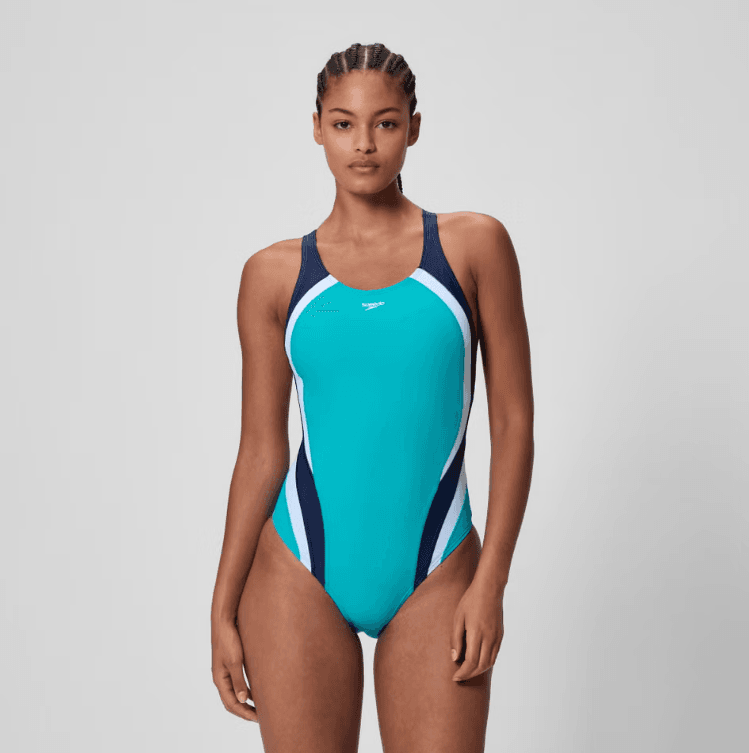
Most “Endurance” or “Training” lines from major brands like Speedo, Arena, and TYR utilize PBT. Because competitive swimmers spend hours in the pool daily, they need a fabric that won’t turn see-through or baggy within a month.
Sportswear and Activewear
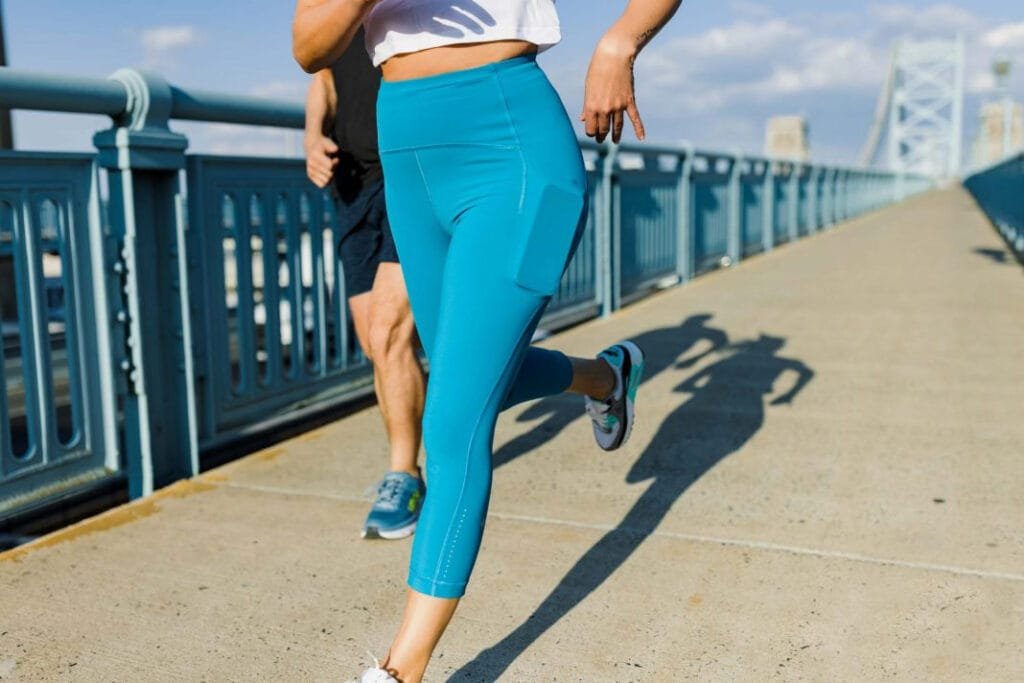
You’ll find PBT in cycling jerseys and running gear. Its ability to wick sweat away from the body while resisting the salt in human perspiration makes it ideal for high-intensity endurance sports.
Industrial Uses
Outside of fashion, PBT is used in:
- Electrical engineering: Due to its insulating properties.
- Brushes: The bristles on your toothbrush or makeup brushes are often made of PBT because it doesn’t absorb water and stays stiff.
The Pros and Cons of PBT Fabric
To give you an honest look at this material, let’s weigh the benefits against the drawbacks.
The Pros
- Extreme Durability: It is arguably the longest-lasting performance textile available.
- Low Maintenance: It is hard to wrinkle and easy to clean.
- Comfortable “Soft” Stretch: It doesn’t feel as restrictive as some high-compression Spandex suits.
- Saltwater Resistant: Perfect for ocean swimming as it won’t be damaged by salt crystallization.
The Cons
- Less “Give”: If you buy a size too small, PBT won’t stretch to accommodate you as easily as Spandex. Accuracy in sizing is vital.
- Texture: Some people find PBT to feel slightly “stiffer” or more textured than the silky-smooth feel of nylon-lycra blends.
- Cost: Quality PBT can sometimes be more expensive upfront (though the “cost per wear” is significantly lower because it lasts longer).
How to Care for PBT Fabric
Even though PBT is tough, a little bit of care goes a long way in ensuring it lasts for its full potential lifespan.
- Rinse Immediately: Even though it is chlorine-resistant, rinsing your suit in fresh water after a swim removes residual chemicals that can eventually dull the finish.
- Cold Wash: Use cold water and a mild detergent. Avoid fabric softeners, as they can coat the fibers and reduce the fabric’s breathability.
- Skip the Dryer: PBT is a thermoplastic. High heat can technically “reset” the fiber’s memory or cause damage. Since it dries so fast anyway, just hang it up in the shade.
- Avoid Rough Surfaces: Don’t sit on the concrete edge of the pool. While PBT is pill-resistant, friction against rough concrete can still cause mechanical damage to the fibers.
Sustainability: Is PBT Eco-Friendly?
As a synthetic petroleum-based product, virgin PBT has an environmental footprint similar to other polyesters. However, there are two points to consider:
- Longevity as Sustainability: Because PBT lasts 3–4 times longer than Spandex-based garments, it reduces textile waste. You buy fewer suits over time, which means less manufacturing energy and fewer items in landfills.
- Recycled PBT (rPBT): Many manufacturers are now beginning to produce PBT from recycled plastics. This “circular” approach is becoming more common as brands move toward more sustainable production methods.
Summary
PBT is a performance-focused fabric commonly used in training swimwear because it handles chlorinated water well and keeps its shape after repeated wear. It’s not the softest option compared with nylon-spandex, but it’s a reliable choice when durability and fit retention are the priority.
If you are preparing your next season’s sports swimwear collection, we can recommend suitable PBT fabrics. Contact us immediately to commence your project!